
J.R.R. Tolkien framed internal moral corruption rather than Sauron as the primary threat in his epic fantasy story The Lord of the Rings.
While the defeat of the Dark Lord forms the central narrative goal of the trilogy, an analysis of the work shows that Sauron serves primarily as a passive catalyst for evil rather than the main enemy facing the protagonists.
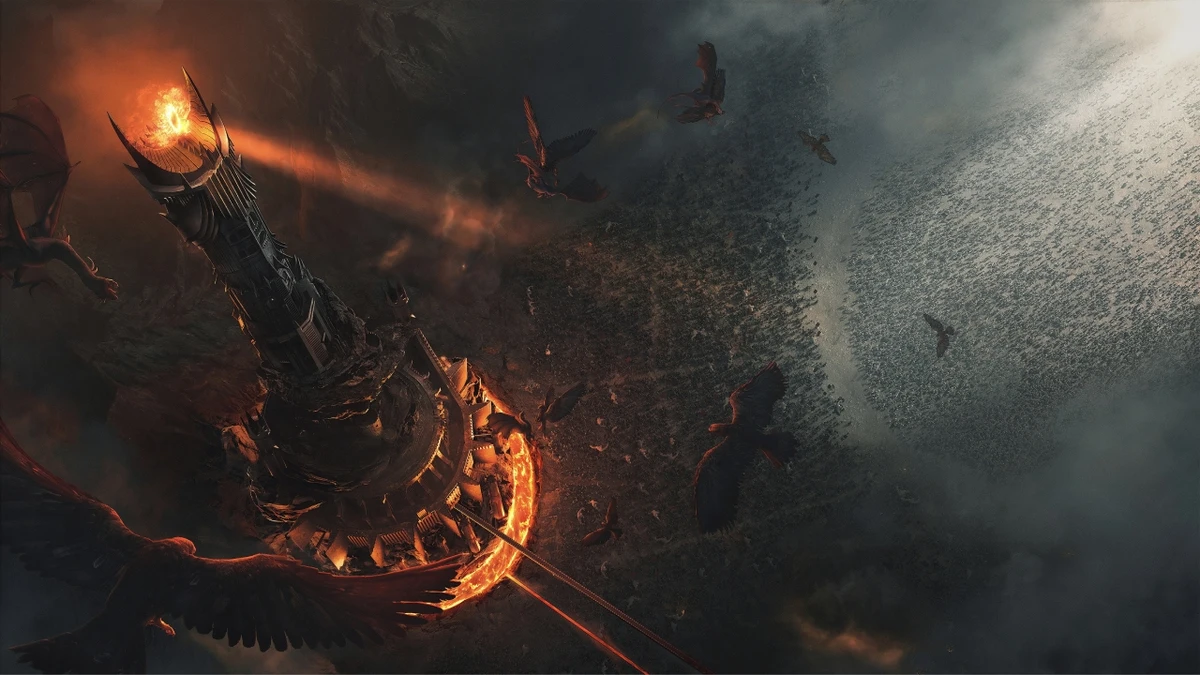
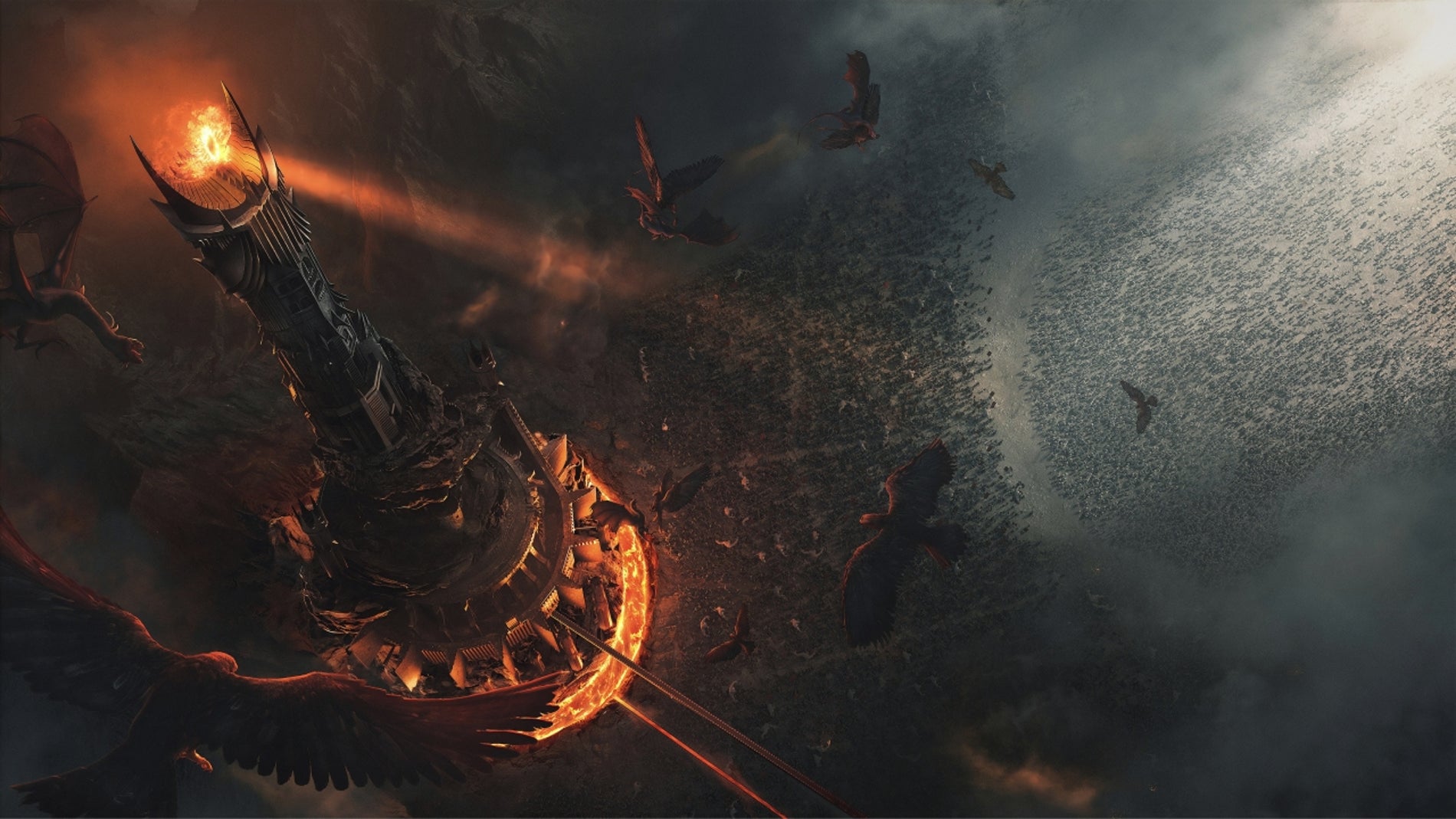
Sauron functions as an understated presence who barely speaks and commands his armies remotely from his stronghold of Barad-dur. Lacking distinct personal desires or direct actions in the main trilogy, he acts as a bridge that facilitates temptation, forcing characters into mental and physical battles against their own moral decay.
Standard fantasy literature traditionally externalizes evil into a single villainous figure. Tolkien reversed this convention by demonstrating how evil can be internalized within individual minds, making moral vulnerability the central conflict across Middle-earth.
The role of corruption in Middle-earth
Tolkien built his fictional universe around several formidable antagonists, including Sauron, Morgoth, Saruman, Smaug, and the Nazgul. Although these figures initiate the events that mobilize the main characters, the core struggle remains the internal battle against corruption.
Saruman, the wizard seduced by the prospect of infinite power and knowledge, fell down the same dark path as Sauron. Similarly, the Nazgul were dragged down by the Dark Lord's influence until they were transformed into faithful followers of evil.
Members of the Fellowship of the Ring also struggled constantly against moral downfall. Boromir was drawn into a spiral of temptation before freeing himself in his final moments, while Frodo Baggins spent his quest resisting the immense corrupting weight of the One Ring.
In the climax of the quest, Frodo ultimately succumbed to the Ring's influence as corruption took control of his mind. Meanwhile, the creature Gollum stands as the ultimate example of what occurs when moral corruption takes deep root over time.
Fantasy adaptations and streaming context
Tolkien's depiction of an internal moral threat remains one of the most effective narrative elements of his legendarium, even if readers and viewers frequently overlook it in favor of physical battles.
The legacy of Tolkien's world continues across modern screen adaptations. Peter Jackson's cinematic trilogy brought the story to global audiences, and viewers can currently stream The Lord of the Rings on Disney+.
Expanding on the mythos, Amazon Prime Video produces the prequel series The Lord of the Rings: The Rings of Power, which brings back an original trilogy villain other than Sauron. Additionally, Prime Video has partnered with director Ridley Scott to adapt another major fantasy saga.