
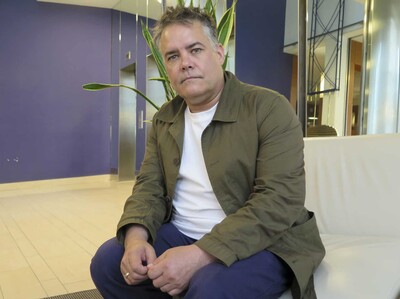
Chilean director Sebastian Lelio, who won an Academy Award for A Fantastic Woman, has died at the age of 52, local media reported on Friday.
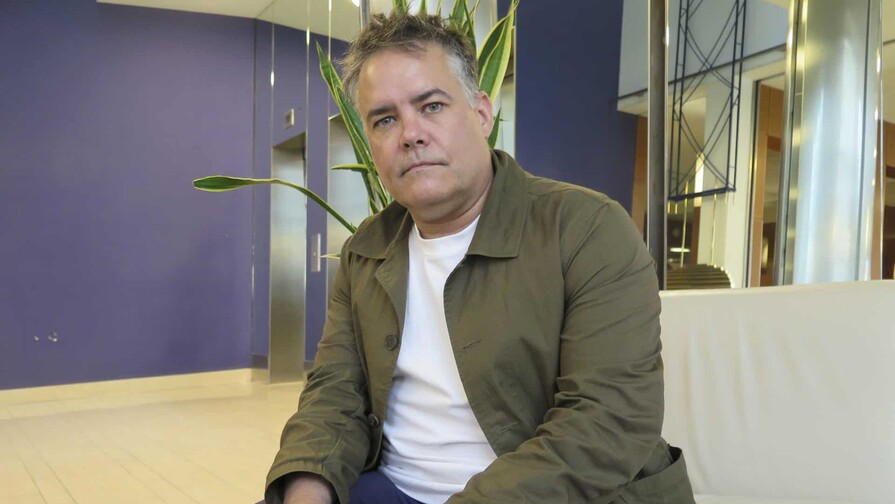
The acclaimed director and screenwriter was found dead at his residence in the Las Condes neighborhood of Santiago, Chile. Official authorities have not yet announced the cause of his death.
Lelio had been staying in the Chilean capital to work on a feature film adaptation of Chilean Poet, the celebrated novel by author Alejandro Zambra. The book chronicles family relationships, poetry, and personal affection across modern Santiago.
Historic Academy Award for A Fantastic Woman
Lelio achieved worldwide renown in 2017 with A Fantastic Woman, starring actress Daniela Vega. The drama portrays Marina Vidal, a young transgender woman working as a singer and waitress who faces harsh discrimination, suspicion, and hostility from society and her lover's family following the sudden death of her older partner.
The film won the Academy Award for Best Foreign Language Film at the 90th Academy Awards in 2018. It became the first Chilean narrative feature film to take home an Oscar, cementing Lelio's reputation on the global stage. The win also proved to be a milestone for transgender representation in cinema, leading to broader international conversations about civil rights.
Vega made history during the same ceremony by becoming the first openly transgender person to present an award at the Oscars. Critics around the world hailed the production for its elegance and emotional power, praising Lelio's ability to examine social prejudice through an intimate, compassionate lens.
Rise of a Chilean auteur
Born on March 8, 1974, in Mendoza, Argentina, Lelio moved with his family to Chile during his childhood. He grew up in the South American country and completed his education in Santiago, where he studied film direction and began writing and directing short projects before launching his feature career.
His debut feature film, The Sacred Family, premiered in 2005 at the San Sebastian International Film Festival in northern Spain. Shot in just a few days over an Easter weekend, the low-budget family drama earned positive reviews and marked him as a promising talent in the new wave of Chilean cinema.
He followed that debut with Navidad in 2009, which screened at the Cannes Film Festival Directors' Fortnight, and The Year of the Tiger in 2011, which followed an escaped prisoner in the immediate aftermath of the devastating 2010 Chilean earthquake.
International acclaim with Gloria and Gloria Bell
Lelio's career reached a major turning point in 2013 with Gloria, a tender and uplifting portrait of a 58-year-old divorcée seeking romance in the dance halls of Santiago. The film premiered in competition at the Berlin International Film Festival, where lead actress Paulina Garcia won the Silver Bear for Best Actress for her performance.
The international critical and commercial success of Gloria propelled Lelio into the English-speaking market. In 2018, he directed Gloria Bell, an American remake of his own film that starred Julianne Moore in the lead role alongside John Turturro, Michael Cera, and Brad Garrett, drawing warm reviews from American critics.
English-language dramas and literary adaptations
Between his Chilean projects, Lelio directed Disobedience in 2017, an adaptation of Naomi Alderman's novel starring Rachel Weisz and Rachel McAdams. The film explored the complex reunion between a photographer and her childhood friend within a strict Orthodox Jewish community in north London, earning praise for its emotional nuance.
In 2022, Lelio directed The Wonder, a psychological period drama based on Emma Donoghue's book. The film starred Florence Pugh as an English nurse summoned to the Irish Midlands in 1862 to observe a young girl who claimed to survive without food. The mystery received widespread critical praise and multiple film award nominations.
His cinematic body of work also included the 2025 release The Wave. Throughout his two decades as a director, Lelio remained devoted to exploring themes of personal freedom, human identity, and the quiet dignity of individuals living on the margins of social acceptance.
Unfinished work in Santiago
His death abruptly interrupts a distinguished career defined by international critical acclaim and a singular artistic voice. At the time of his passing, he was focused on bringing Zambra's Chilean Poet to the screen, an adaptation that explored family ties, literature, and affective bonds.
With a filmography that crossed Chilean borders, Lelio leaves a lasting legacy in Latin American cinema, remembered especially for his compelling stories about personal identity, individual freedom, and the complexity of human relationships.