

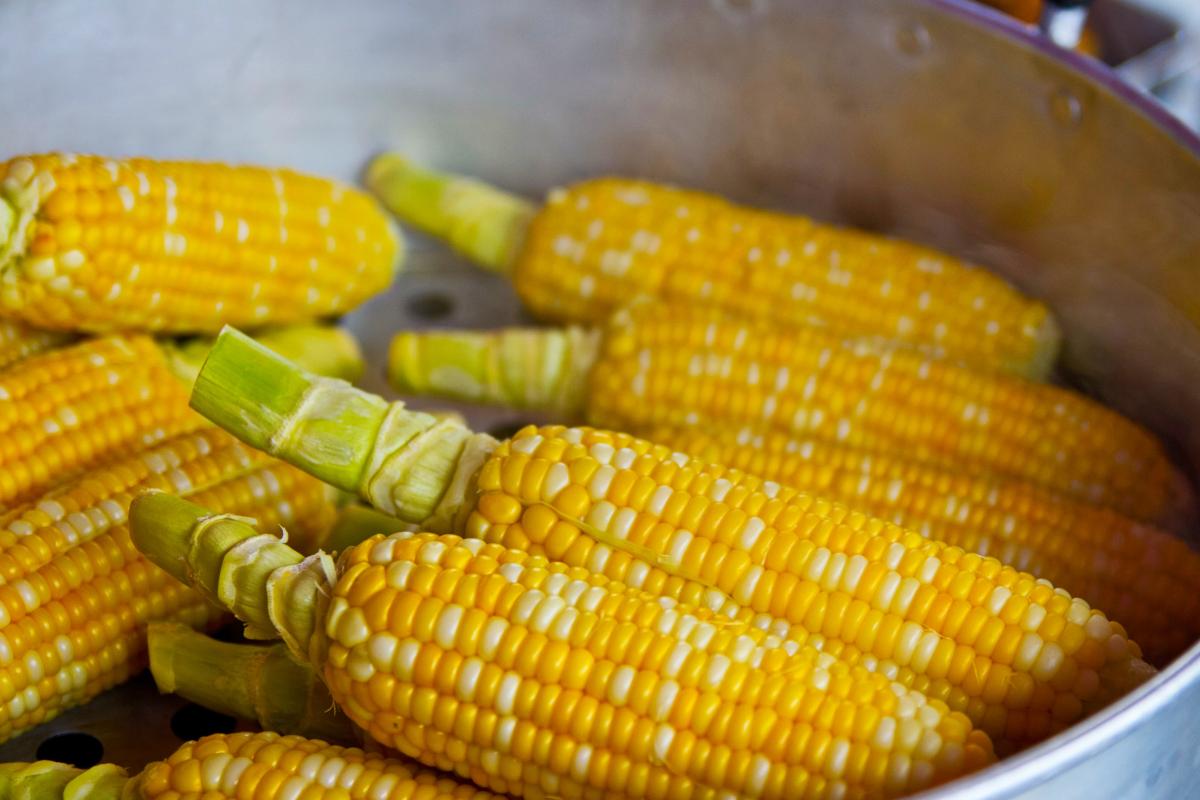
Fresh sweet corn must be stored unwashed inside its husk at four degrees Celsius to stop natural sugars turning into starch, experts at marthastewart.com reported.
Food safety specialist Kimberly Baker and dietitian nutritionist Amy Davis explained that improper storage causes raw ears of corn to lose their crisp texture and characteristic sweetness within days of harvest.
Sweet corn differs from standard grain corn because growers harvest it while the kernels are immature and filled with natural sugars. Once an ear is picked from the stalk, internal plant enzymes immediately begin converting those sugars into starch, causing the kernels to lose their tender bite.
Baker said that keeping the husk intact protects the individual kernels and retains essential moisture, allowing the vegetable to stay fresh for a longer period. Davis added that the natural outer wrapping also acts as a protective barrier that slows down sugar loss.
However, Davis warned that the husk offers no protection against harmful bacteria. She advised consumers to store fresh corn away from raw meat, fish and poultry inside the refrigerator to prevent cross-contamination.
Cross-contamination occurs when harmful micro-organisms transfer from raw animal products onto raw produce. Refrigerating vegetables in separate drawers or on higher shelves helps prevent liquid drips from contaminating food that will be eaten fresh.
Refrigeration guidelines for fresh and cooked corn
For optimal flavor and tender texture, experts advise eating fresh sweet corn within one to three days of purchase. When held consistently at four degrees Celsius, raw cobs remain safe to eat for up to five days.
Baker noted that while raw corn may stay edible slightly past five days, its overall sweetness and culinary quality deteriorate rapidly after that window.
Cooked corn on the cob also requires specific handling to maintain food safety and flavor. Experts recommended cooling cooked cobs completely before placing them into airtight containers or large plastic zip-top bags for refrigeration.
Properly refrigerated cooked corn stays safe for up to five days. Consumers should inspect stored cobs for warning signs of spoilage, such as mold growth, a slimy surface texture or visible discoloration, before eating.
Avoiding the temperature danger zone
Experts warned that cooked corn on the cob must never sit at room temperature for longer than two hours. Bacterial growth accelerates rapidly between five degrees and 57 degrees Celsius, a temperature range known in food hygiene as the danger zone.
Perishable items left within this temperature window for more than two hours accumulate unsafe bacterial levels and must be discarded immediately to prevent foodborne illness.
Whole, un-cut fresh corn can generally remain at room temperature for several hours without immediate safety hazards. Nevertheless, Davis recommended chilling raw ears promptly to protect their delicate sweet flavor.
Broader food preservation advice
The storage advice forms part of broader guidance on extending produce shelf life published by Ukrainian news outlet UNIAN. The agency previously outlined methods to keep bananas fresh, noting that shoppers should remove bananas from plastic packaging after purchase and avoid storing them in crowded containers alongside other fruit.
UNIAN also identified five key indicators of spoilage in sliced watermelon, noting that cut watermelon should not remain in the refrigerator for more than five days.


