
The Godfather Part II has been named the greatest movie sequel of all time by digital culture publication Consequence, beating The Empire Strikes Back.
The 1974 crime epic directed by Francis Ford Coppola topped a new ranking of the 35 best sequels in cinema history, as reported by Parade magazine. The fifth chapter in the Star Wars franchise, released in 1980, finished in second place.
According to Consequence, the recognition reflects how the film transformed the concept of cinematic continuations. Rather than simply extending the original storyline, the sequel completely reimagined what a follow-up film could accomplish.
Dual Timelines and Narrative Structure
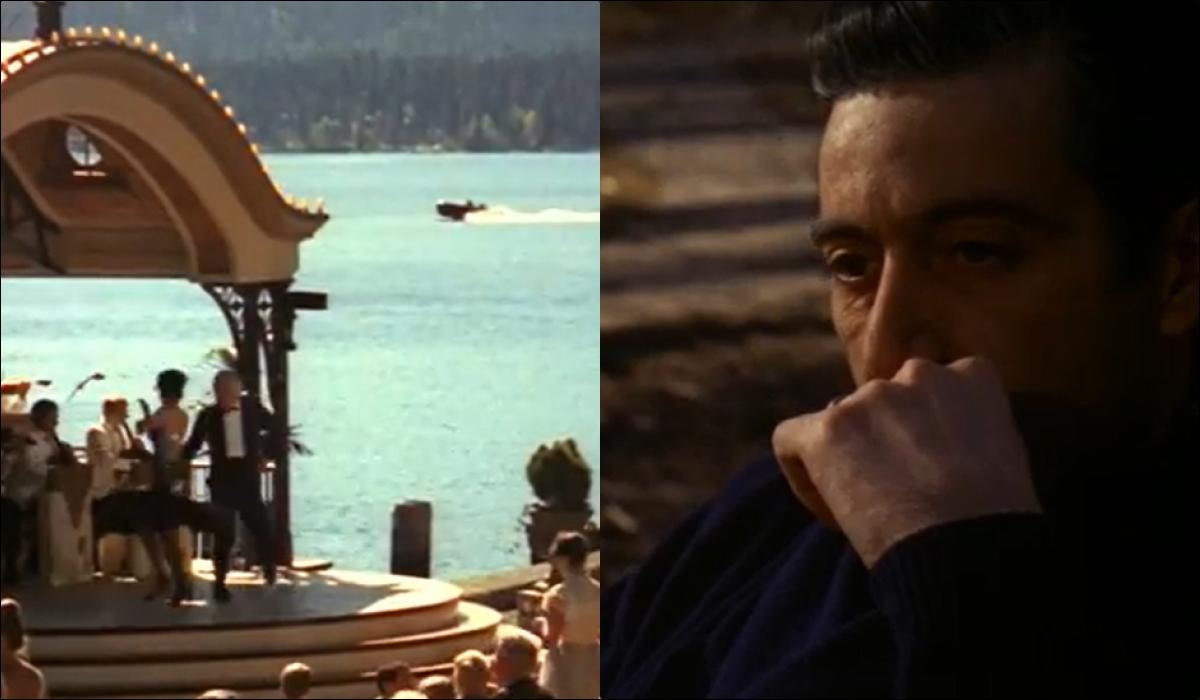
The narrative of the sequel is structured around two parallel timelines. Al Pacino reprises his role as Michael Corleone as he consolidates control over the family crime empire, while Robert De Niro portrays a young Vito Corleone tracing his early life.
This structure allows viewers to watch the rise of Vito alongside the gradual moral downfall of his son Michael. Consequence noted that this thematic contrast elevates the picture, turning the sequel into a standalone work of art rather than a copy of the 1972 original film.
Behind the Scenes Production Challenges
The production faced major obstacles before and during filming. Pacino expressed serious doubts about the initial script written by author Mario Puzo and nearly turned down the role. Coppola worked through the night to rewrite the screenplay, which convinced Pacino to remain in the production.
Further complications arose when Marlon Brando, who starred as Vito Corleone in the original film, failed to show up for a scheduled cameo appearance depicting Vito's birthday party. Coppola was forced to rewrite the sequence on the set on the day of shooting.
Studio executives at Paramount Pictures also voiced skepticism about the project. The studio doubted whether moviegoers wanted another chapter of a familiar story and originally resisted adding Part II to the official title of the movie.
Critical Reception and Academy Award Legacy
Despite early reservations, the film achieved major commercial success and reshaped studio strategy, helping normalize the use of numbered titles for sequels across Hollywood.
The film earned 11 Academy Award nominations and won six Oscars, including Best Picture, Best Director for Coppola, and Best Supporting Actor for De Niro. It became the first sequel in Oscar history to win the award for Best Picture.
Initial critical reception immediately following its release was divided. While some film critics praised the movie as deeper and more complex than its predecessor, others criticized its complicated structure and sharp shifts between the father and son storylines.
Legacy and Historical Ranking
Critical opinion shifted over subsequent decades, establishing the project as a landmark of global cinema. The American Film Institute included the work on its list of the greatest American movies, and the United States Library of Congress selected it for preservation in the National Film Registry in 1993.
In the new ranking by Consequence, its closest competitor was The Empire Strikes Back. The publication noted that the 1980 Star Wars entry significantly expanded its cinematic universe, deepened character themes, and raised story stakes, but ultimately placed behind Coppola's drama.
This is not the first time Consequence has placed the crime drama at the top of its evaluations. The outlet previously named the picture the single greatest movie among all historical winners of the Academy Award for Best Picture.