

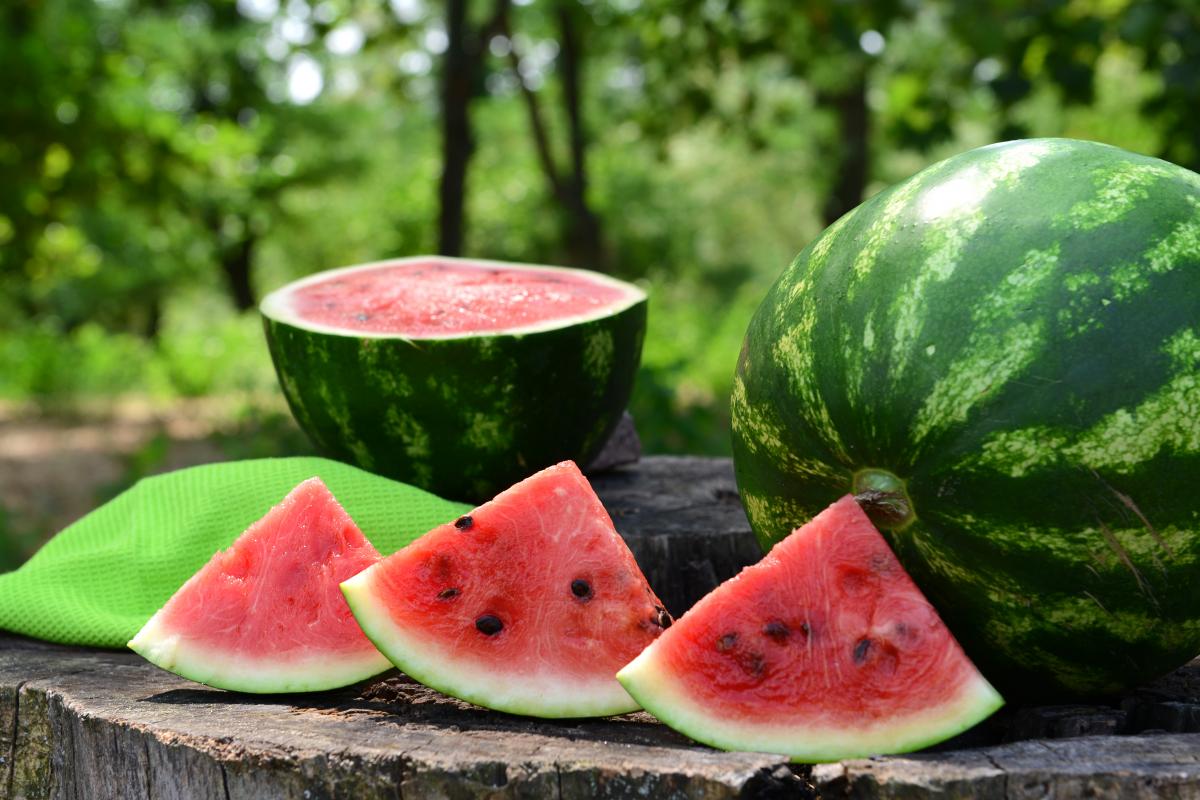
Daily watermelon consumption supports kidney function and hydration in healthy adults, but people with advanced chronic kidney disease should consult a doctor due to potential health risks, according to online publisher Verywell Health.
The fruit consists of 90 to 92 percent water, making it one of the most hydrating foods available. Adequate fluid intake assists the kidneys in performing their essential job of filtering blood and excreting waste through urine.
Due to its high water content, watermelon acts as a natural diuretic, aiding the body in maintaining a stable balance of fluids and electrolytes. Studies indicate that proper hydration helps prevent the formation of kidney stones and slows the decline of renal function in people with chronic kidney disease or those at risk of renal impairment.
Kidneys are vital organs responsible for filtering excess fluid and toxins from the blood while regulating blood pressure and critical minerals. Chronic kidney disease is a long term condition in which the organs gradually lose filtering capacity over time.
Blood pressure reduction and vessel health
In addition to promoting hydration, watermelon contains L-citrulline, an amino acid that converts into L-arginine in the human body. These amino acids act as precursors to nitric oxide, a signaling compound that prompts blood vessels to relax and expand, thereby improving overall blood flow and lowering blood pressure.
A meta-analysis cited by Verywell Health showed that consuming watermelon supplements leads to a significant reduction in systolic blood pressure, which measures force against artery walls when the heart beats. Managing hypertension is crucial for kidney health, as high blood pressure damages the microscopic blood vessels essential for renal filtration.
Watermelon is also rich in lycopene, vitamin C, carotenoids, and other bioactive compounds with strong antioxidant properties that counteract oxidative stress. Experimental studies suggest that flavonoids found in the fruit may also support the body's internal antioxidant defense systems rather than merely neutralizing free radicals directly.
Lycopene is a powerful plant pigment and antioxidant also found in tomatoes, while L-citrulline was historically first isolated from watermelon. Antioxidants protect cells throughout the body from damage caused by unstable free radical molecules.
Potassium risks for impaired kidneys
Despite its nutritional benefits, health experts caution that daily watermelon intake can pose medical risks for people with severely compromised kidney function. Although watermelon is not classified as a high potassium fruit, eating large amounts has been linked to hyperkalemia.
A standard portion of 155 grams of watermelon contains 174 milligrams of potassium, while a larger slice weighing 432 grams contains 484 milligrams. While healthy kidneys easily process and excrete excess potassium, impaired kidneys struggle to remove the mineral from the bloodstream.
This inability can lead to hyperkalemia, a condition characterized by abnormally high potassium levels in the blood. Symptoms of hyperkalemia include muscle weakness, irregular heart rhythms, and in severe cases, life threatening cardiac arrest.
Ukrainian news agency UNIAN previously reported on daily consumption limits for watermelon, highlighting the importance of portion control for individuals monitoring their nutrient intake.


