


Television analysts say modern streaming networks cannot replicate the cultural success of Friends, calling the iconic 1990s sitcom an unreachable Holy Grail for current producers. A recent report by the BBC highlighted that despite ending more than two decades ago, the comedy remains a dominant staple among younger viewers.
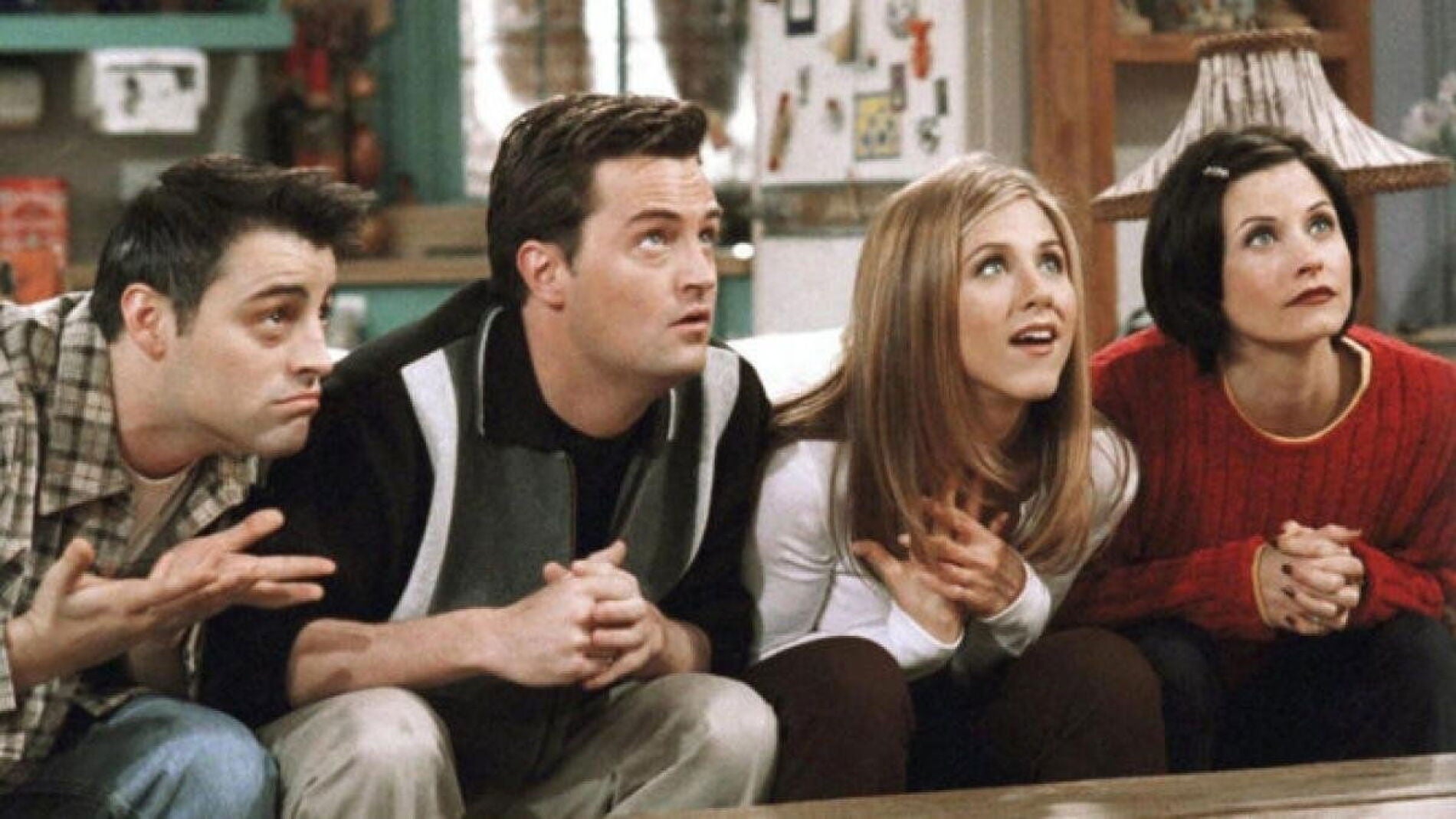
The persistent popularity of the show comes as recent industry efforts to copy its formula continue to falter. Networks and streaming services have repeatedly attempted to build series around groups of young adults sharing confidences and apartments, but audiences have largely rejected the modern remakes.
Recent failures highlight the difficulty facing show creators. Disney+ recently canceled its series No Aptos Para El Trabajo, while the comedy series I Love LA met a cold reception from viewers and critics. Both productions attempted to capture the chemistry of six friends living together in Manhattan, a concept that industry observers now consider an almost impossible mission to reproduce.
Shorter seasons and streaming algorithms
Industry analysts point to fundamental shifts in how television is produced and consumed. During the 1990s and 2000s, traditional sitcoms like Friends and How I Met Your Mother produced long seasons containing more than 20 episodes each. Those lengthy runs allowed series to broadcast daily into living rooms across the world, giving audiences time to develop deep emotional bonds with the characters.
In contrast, modern streaming services typically order brief seasons of just eight to ten episodes. Analysts explain that this condensed format drastically limits the time viewers have to grow attached to an ensemble cast or build a genuine connection with a group of friends on screen.
Younger audiences also face a vastly different entertainment landscape than viewers experienced three decades ago. While 1990s television offered limited channel choices that regularly gathered tens of millions of people for shared broadcasts, Generation Z viewers split their attention across infinite catalogs and social platforms such as YouTube and TikTok.
When a new television series fails to engage viewers immediately, platform algorithms instantly offer alternative content. As a result, television viewing has transformed from a shared social ritual into an individualized and fleeting consumer habit.
Economic reality and comedic tone
Beyond distribution methods, analysts highlight a clear conflict between traditional sitcom writing and modern socioeconomic conditions. Friends debuted during a period of relative economic optimism, allowing writers to depict young characters working low-wage or precarious jobs while living in spacious, bright Manhattan apartments without alienating audiences.
Today, creators attempting to address contemporary issues such as employment instability, housing shortages, and the impact of technology on personal relationships face a difficult balancing act. Writers must reflect the economic hardships facing young people today without sacrificing the light tone and escapism essential to the sitcom genre.
Some recent productions have found partial success by altering the formula. The series Adults has drawn positive attention by offering a sharper, more realistic portrayal of shared living in a complex modern environment. However, analysts conclude that achieving the widespread cultural footprint and legendary status of classic 1990s comedies remains an unreachable goal in today's fragmented television market.
Created and produced by Marta Kauffman and David Crane, Friends originally aired from 1994 until its final episode in 2004. The NBC comedy followed six friends in their twenties and thirties navigating life and romance in New York City, establishing a broadcast model that modern streaming services continue to struggle to emulate.