

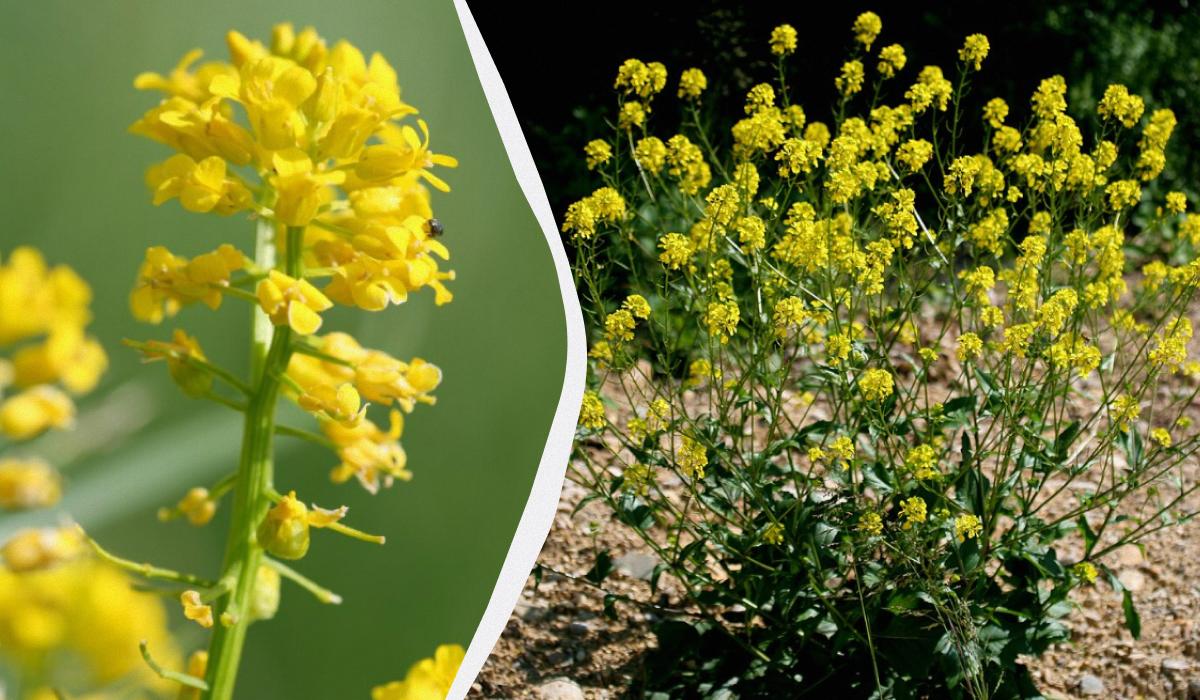
Gardeners looking to repair depleted vegetable beds over the winter are being advised to sow winter cress as a natural fertiliser that protects against weeds and pests.
The hardy green manure, which can be planted between September and November, thrives even in completely exhausted ground and is highly tolerant of winter frosts, according to the gardening website Deccoria.pl.
After a long season of intensive vegetable cultivation, garden soil frequently becomes compacted, dried out and drained of essential nutrients. This is particularly common in beds that have hosted demanding, heavy-feeding crops such as tomatoes, cucumbers and zucchini, which draw heavily on the soil's reserves to produce their fruit.
When left bare and exposed to the winter weather, this weakened soil becomes highly vulnerable to wind and rain erosion. The depleted ground also creates a favourable environment for fungal pathogens and insect pests to establish themselves safely over the colder months.
Sowing a cover crop such as winter cress provides a protective living layer over the earth. As it develops, the dense foliage shields the exposed ground from the elements and actively suppresses the growth of competing weeds.
The plant also possesses strong phytosanitary properties. It releases specific chemical compounds into the earth that actively deter pests and diseases, earning it a reputation as a healing plant for damaged soil.
Preparing the vegetable beds
Before planting, gardeners must ensure the vegetable beds are completely cleared of weeds and the remains of previous crops. The earth should then be thoroughly dug over to prepare a clean seedbed.
The cress seeds should be sown densely and given only a light covering of soil. The ground must then be slightly compacted and watered heavily to encourage strong germination.
While September is the optimal time for sowing, gardeners can still plant the seed in early October provided the weather remains favourable. The crucial factor is that the plant has enough time to develop a few leaves before the first hard frosts arrive.
Once established, the crop requires no maintenance or watering throughout the winter and early spring. By the time the weather warms in spring, the plants will have grown to several tens of centimetres in height and produced a large amount of green mass.
Digging the green manure
In the first half of April, the crop is ready to be incorporated back into the earth. The cress should be mowed close to the ground, and the remaining organic matter mixed thoroughly into the topsoil. Using a rototiller is recommended to make this heavy work faster and easier.
It is important that the plant material is only turned into the soil to a shallow depth of 10 to 15 centimetres. Burying the green manure too deeply can hinder the natural decomposition process.
The cut cress breaks down rapidly and will enrich the earth with fresh humus within two to three weeks. Gardeners should wait a few weeks for the green mass to decompose and release its nutrients, but they do not need to wait for the matter to break down entirely before planting their spring vegetables.
The repaired beds are best suited for vegetables that grow well in late spring and do not belong to the same botanical family as the cress. Recommended follow-on crops include spinach, radishes, arugula, lettuce and dill.
Late season gardening
The guidance follows earlier advice from the UNIAN news agency on late-season gardening, which identified 22 fast-growing crops that can still be planted in late September and harvested before the frost. The primary challenge for these late plantings is the shortening daylight hours rather than the falling temperatures, meaning species that are undemanding of light are best.
Horticultural experts have also warned against pruning seven specific garden plants during September. Cutting plants back at the wrong time of year can cause more harm than good, as several species are already forming their flower buds in autumn ready for the following season.


