


The 1990s minimalist slip bob is returning as a dominant haircut trend for autumn 2026, offering clean lines, a polished finish, and a sophisticated aesthetic. Celebrities such as model Hailey Bieber are leading the revival of the sharp cut, which features defined edges without appearing overly rigid.
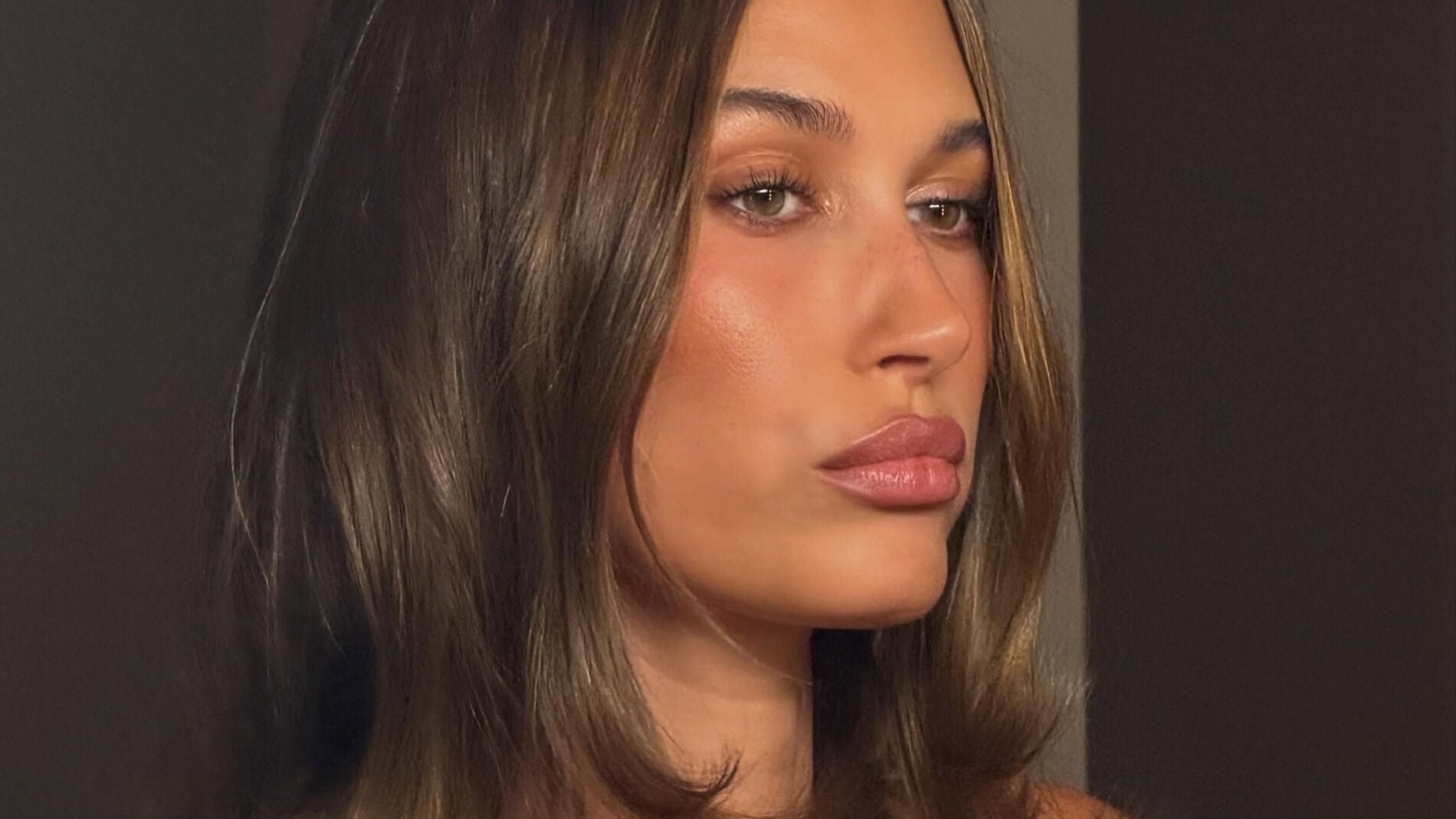
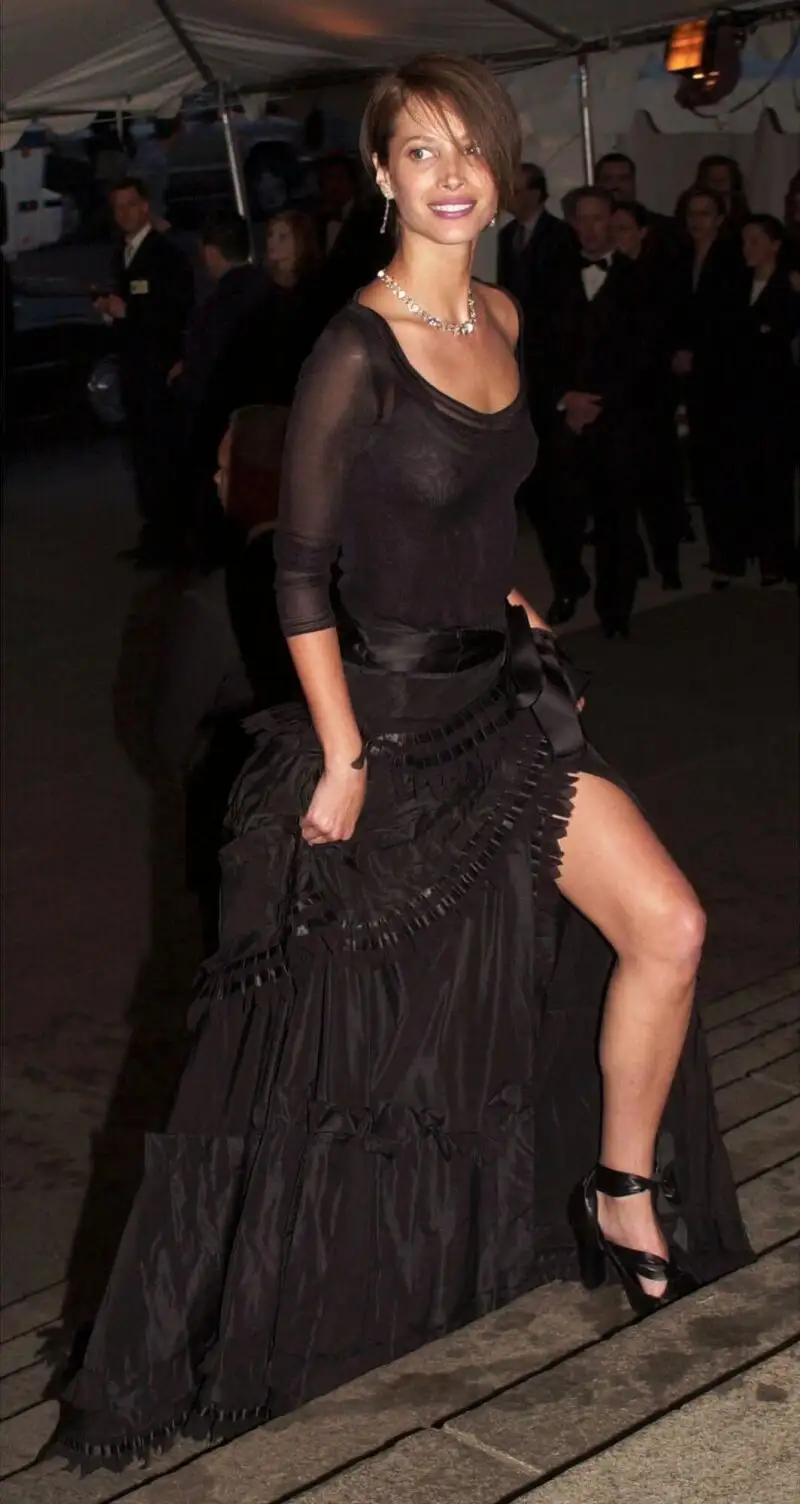
The style draws direct inspiration from the understated beauty trends of the 1990s, when short, structured cuts gained widespread popularity. During that era, the minimalist bob was famously worn by figures including American actresses Gwyneth Paltrow and Jennifer Aniston, as well as supermodels Cindy Crawford and Christy Turlington.
The revival aligns with a broader movement in contemporary beauty to revisit vintage styles from past decades and adapt them for a modern audience. Rather than copying historical looks verbatim, current trends focus on creating a natural appearance while maintaining precision styling.
Understanding the Slip Bob
The slip bob is built around a straightforward concept: a precise haircut that requires minimal daily styling to look polished. The length typically rests around the shoulders, although variations can range from a traditional short bob to a longer clavicut that sits near the collarbone.
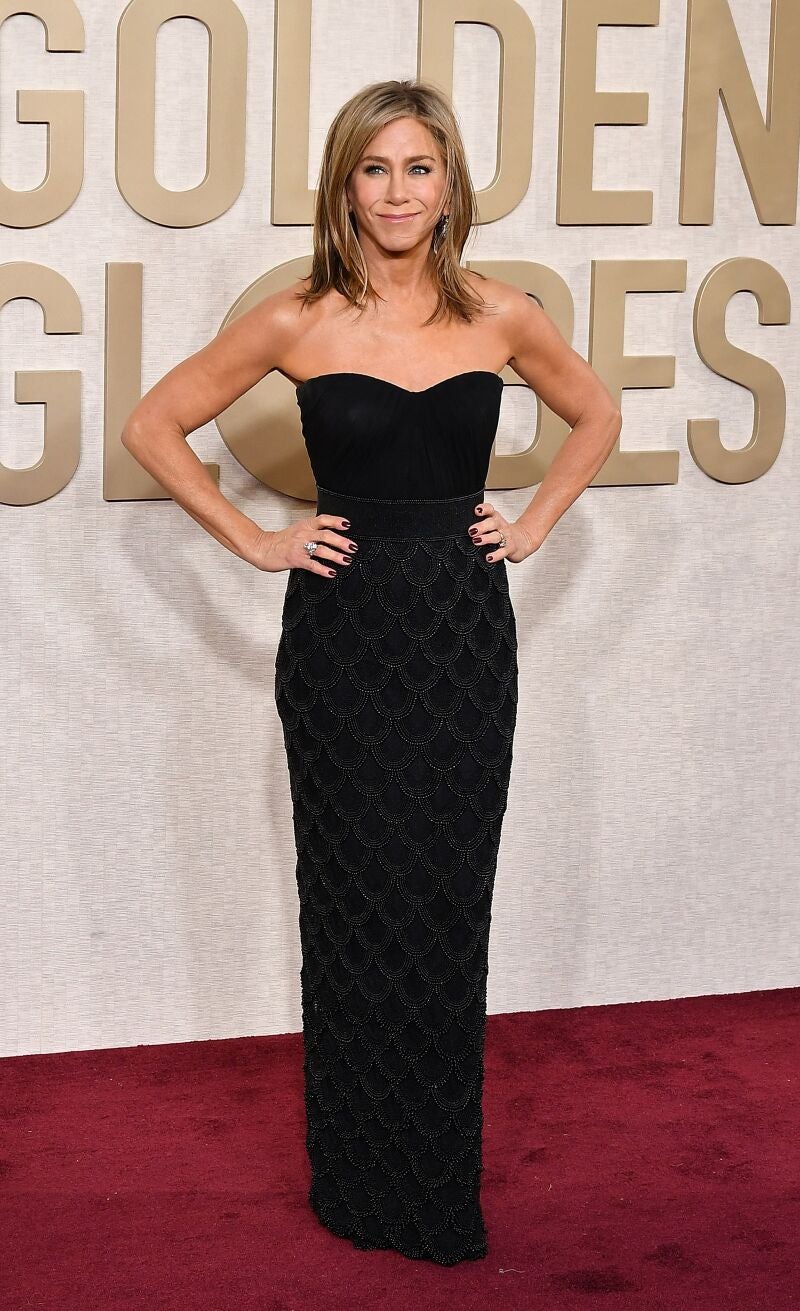
Unlike heavily layered hairstyles, the slip bob relies on a clean base with virtually no visible layers. Stylists may introduce subtle variations in the cut to encourage natural movement while preserving the overall weight of the hair. The primary goal is a sleek drop with healthy shine and a neat finish.
By combining simplicity with sophistication, the cut highlights the natural quality and movement of the hair. It avoids complex styling procedures, allowing the precision of the cut itself to serve as the defining feature.
Key Features and Customization
While the slip bob resembles a conventional bob cut at first glance, specific structural details set it apart. The defining characteristics include a sharp outline, heavy hair density, and a subtle sheen across the surface.
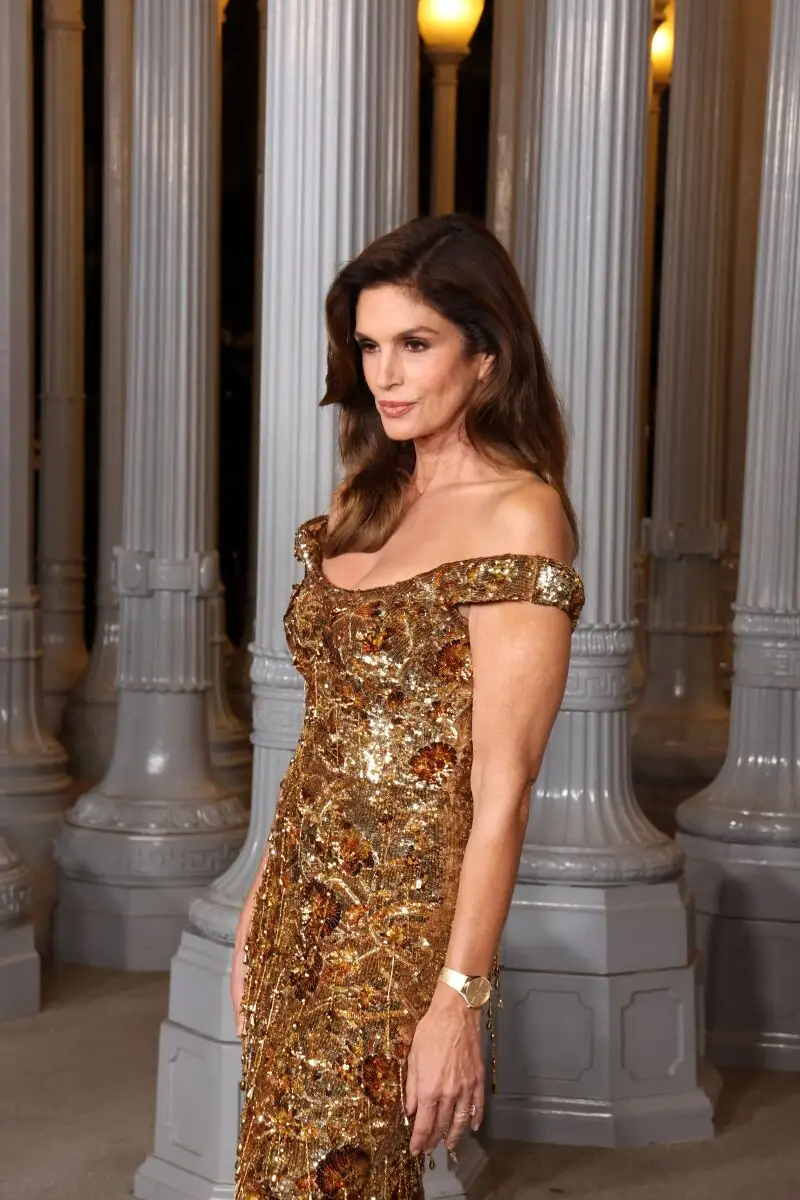
Although shoulder-length hair is the most recognized version of the cut, the style is not limited to a single length. Stylists often add subtle face-framing tapering around the facial features to soften transitions and frame the face. By avoiding excess layering, the cut maintains full density and presence.
Suitability for Different Face Shapes
The versatility of the slip bob makes it adaptable to a wide range of facial structures. The cut is particularly flattering on oval, elongated, and heart-shaped face shapes, where clean lines complement natural contours.
For individuals with rounder face shapes, stylists recommend extending the length slightly below the jawline. This adjustment creates a vertical line that visually elongates and slims facial features.
Although straight hair offers an ideal canvas for the sleek finish of the slip bob, the cut is not restricted to straight hair. Wavy and curly hair textures can also accommodate the style when the underlying structure is customized to fit the natural pattern.
Styling Techniques and Maintenance
Styling the slip bob requires minimal time in front of the mirror. For straight hair, the cut can be worn completely sleek with the ends turned gently inward, or enhanced with a light texturizing spray for a more relaxed look.
For a more formal appearance, a classic 90s blowout delivers volume and movement. Using a hairdryer and a round brush adds body while maintaining the clean silhouette of the cut. Those with natural waves should avoid heavy layering that might reduce density.
Shine and hair health are fundamental to the overall impact of the slip bob. Lightweight products are recommended to enhance shine without weighing hair down or restricting natural movement. Between washes, small amounts of dry shampoo or texturizing powder can restore volume and freshness.
Maintaining the precise lines of the slip bob requires regular upkeep at the salon. Stylists recommend a minor trim every six to eight weeks to preserve the shape and prevent split ends from disrupting the defined edge.


