


The Walt Disney Company in early August officially acknowledged that its feature film The Mandalorian & Grogu failed to meet commercial expectations at the box office.
The first theatrical Star Wars movie in almost seven years generated approximately $345 million worldwide. The figure fell below the global box office receipts of Solo: A Star Wars Story, which had previously stood as the lowest-grossing modern release in the franchise.
Following its theatrical run, the picture arrived on digital streaming platforms in July. Russian newspaper Rossiyskaya Gazeta reviewed the film to evaluate whether filmgoers and box office returns treated director Jon Favreau's project fairly.
Premise and episodic structure
The narrative attempts to welcome casual viewers without requiring them to rewatch all three seasons of the television series. Bounty hunter Din Djarin, dressed in his traditional beskar armor, completes missions for the New Republic as it tracks down remaining imperial commanders across the galaxy. He is accompanied by Grogu, the young alien known as Baby Yoda, who has transitioned from a passive ward into a small active partner.
Despite its big-screen formatting, the story relies on an episodic progression akin to a role-playing video game. The Mandalorian moves across map coordinates from a primary objective to side quests, receiving new missions from non-player characters along the way.
This quest line requires the pair to rescue Rotta the Hutt, a character previously kidnapped and saved in the 2008 animated feature film Star Wars: The Clone Wars. Rossiyskaya Gazeta observed that after nearly two decades, the galaxy appears to lack alternative plot devices to draw its protagonists into adventure.
Bodybuilder Hutts and fan service
The depiction of Rotta delivers one of the film's primary visual jokes. Subverting the traditional image of Hutts as massive, immobile creatures, the movie introduces a bodybuilder slug equipped with defined muscles and six-pack abdominal muscles.
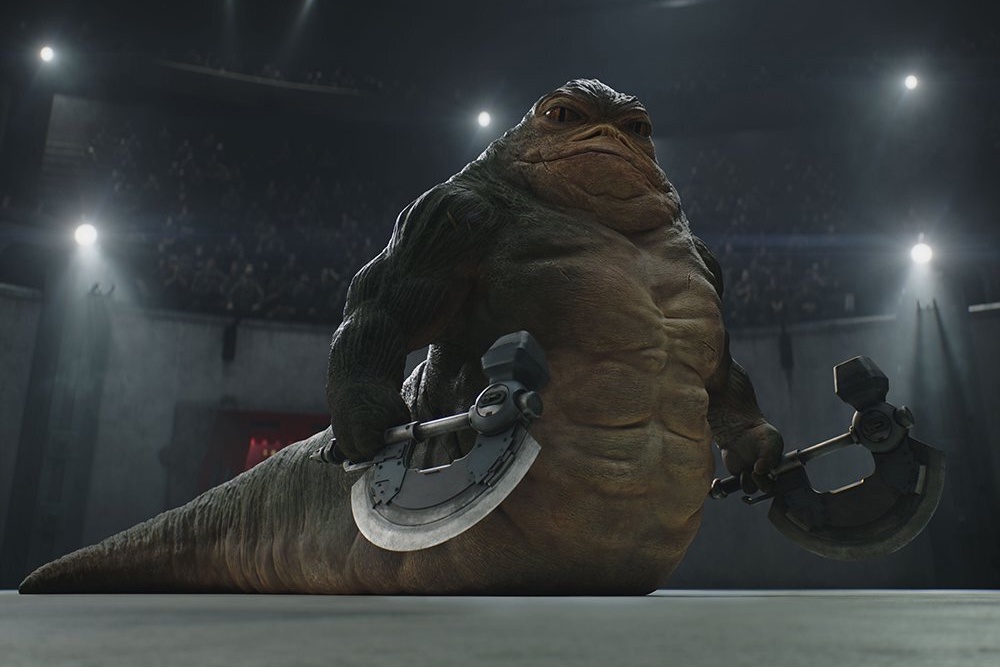
The production incorporates extensive fan service, featuring multiple characters from past animated series alongside a new figure resembling Mortal Kombat fighter Kung Lao complete with trademark headwear. While some alien species initially resemble designs from the animated series Rick and Morty, the creators drew deeper inspiration from early Star Wars concepts.
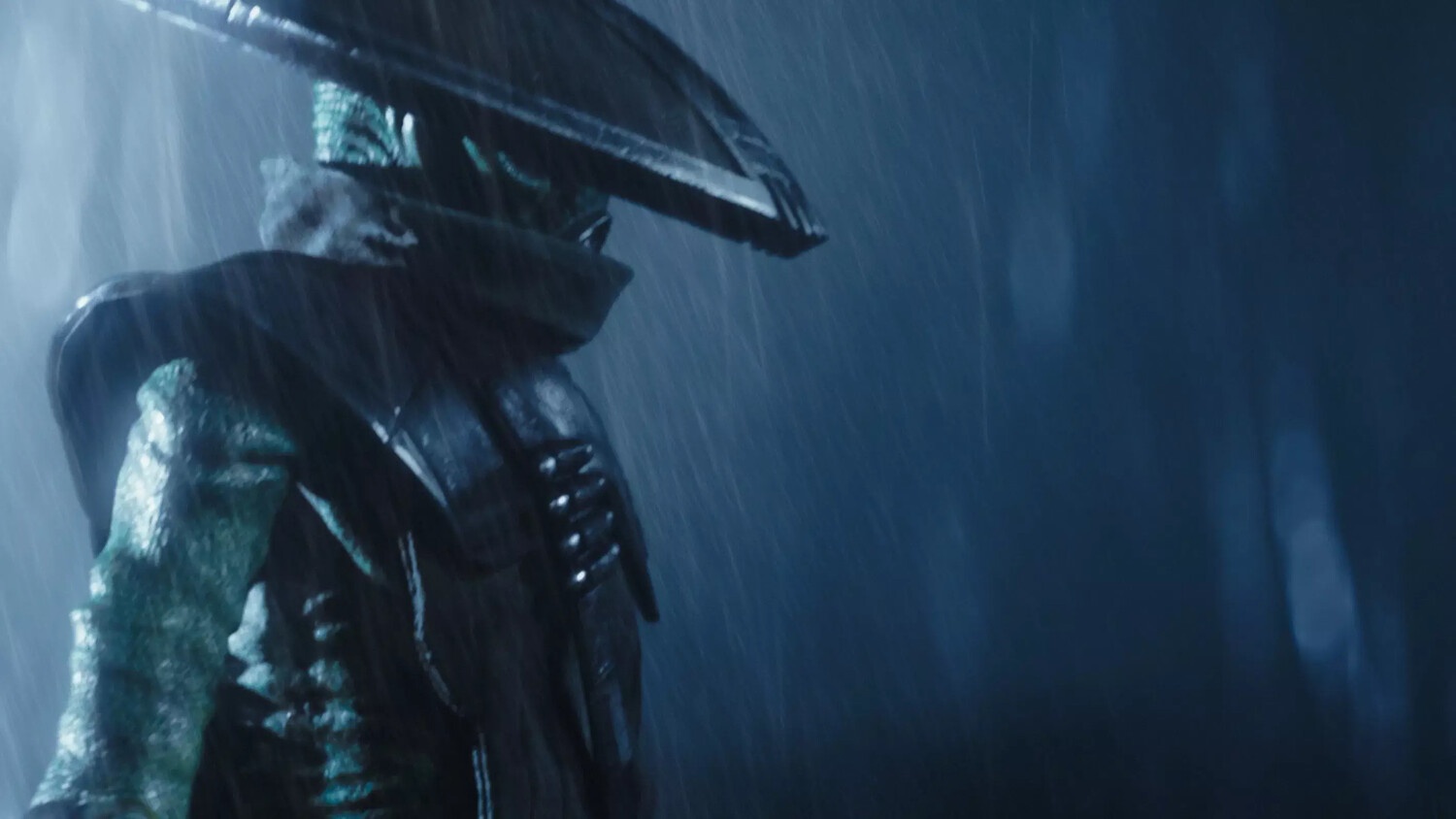
The film brings to life the holographic Dejarik chess creatures that Chewbacca and R2-D2 played with in the original 1977 film Episode IV: A New Hope. These references offer detailed frame-by-frame viewing for dedicated fans, even as the broader cinematic structure falters.
Dialogue issues and acting constraints
The script suffers from weak dialogue, even relative to historical franchise standards. Characters frequently exchange functional lines to advance the plot, recite information all parties already possess, or trade flat witticisms. Rossiyskaya Gazeta noted that current artificial intelligence tools produce more meaningful exchanges, placing the flaw entirely on human screenwriting.
Lead actors Pedro Pascal and Sigourney Weaver receive minimal material to work with despite their performance efforts.
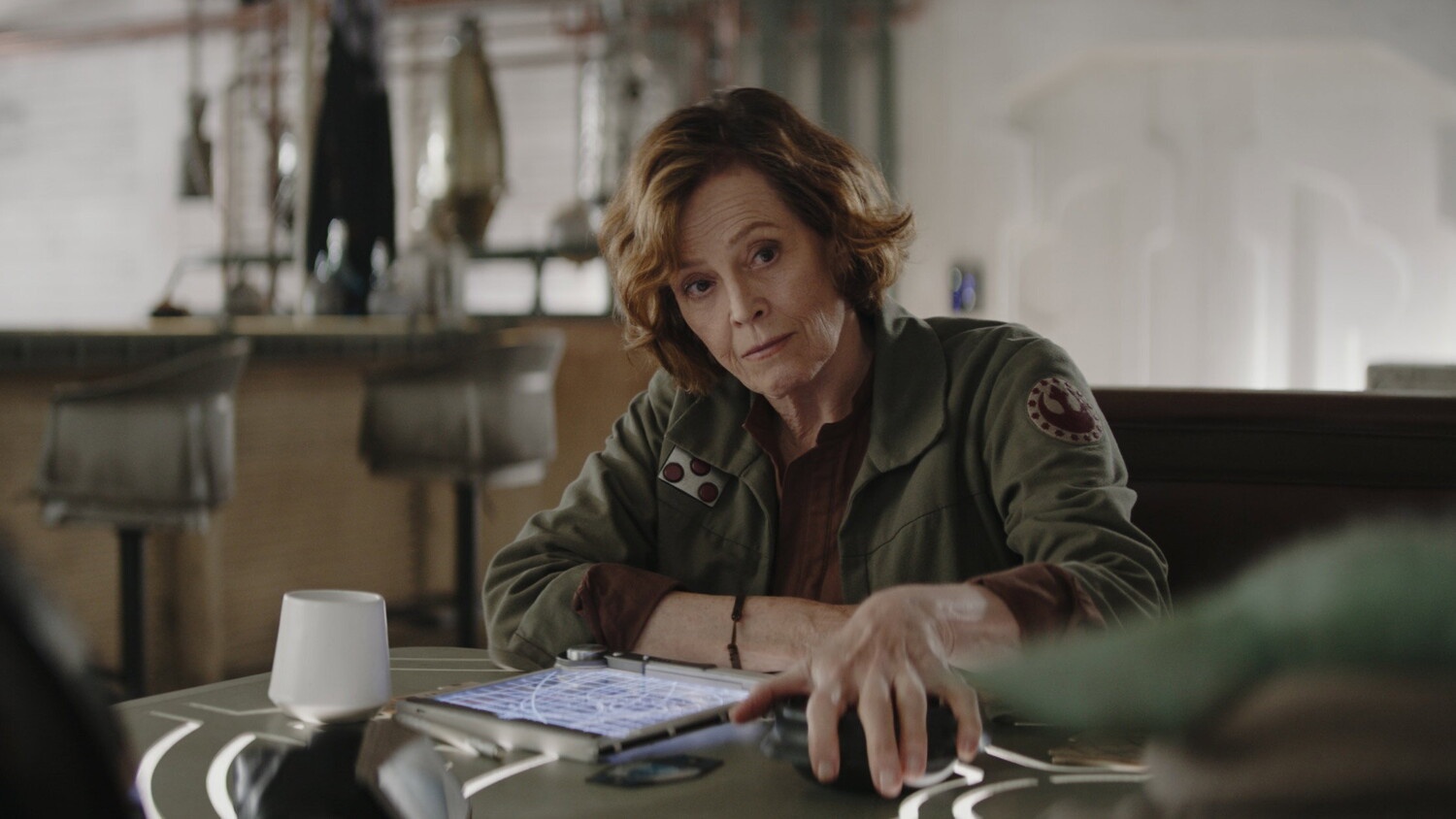
Pascal performs under a helmet throughout most of the film, relying strictly on voice work without facial expressions or eye contact. The restricted acting toolkit increases the need for strong writing, but the script provides few meaningful lines.
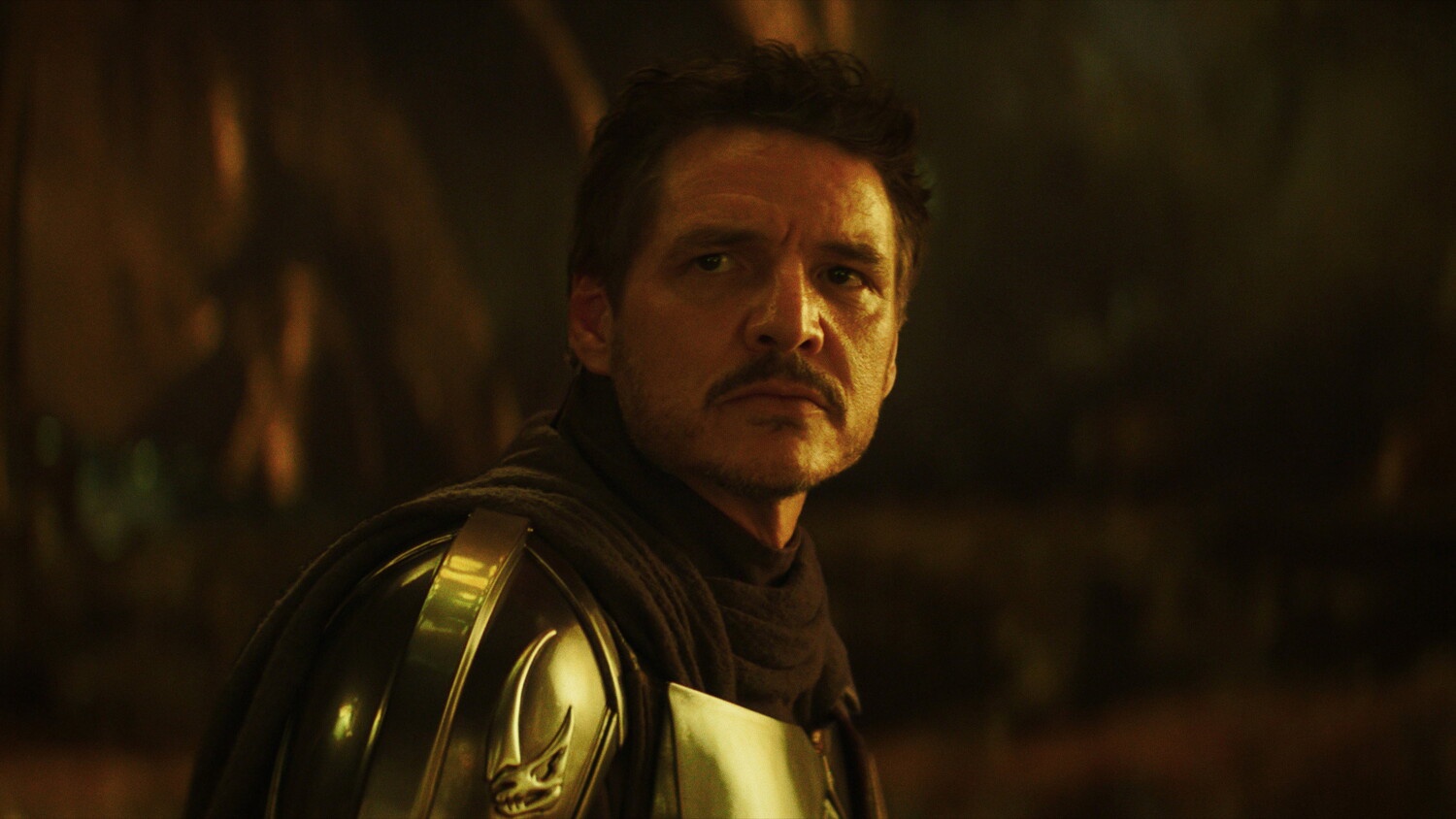
The characters function primarily as plot devices designed to issue tasks, execute objectives, deliver timed jokes, or offer fan cameos. This approach reflects television pacing rather than feature film storytelling.
Action sequences and streaming constraints
Past Star Wars films compensated for narrative flaws through dynamic lightsaber duels featuring acrobatic choreography and physical staging. The Mandalorian & Grogu omits lightsaber battles, which aligns with a bounty hunter storyline, but fails to supply an equivalent physical spectacle.
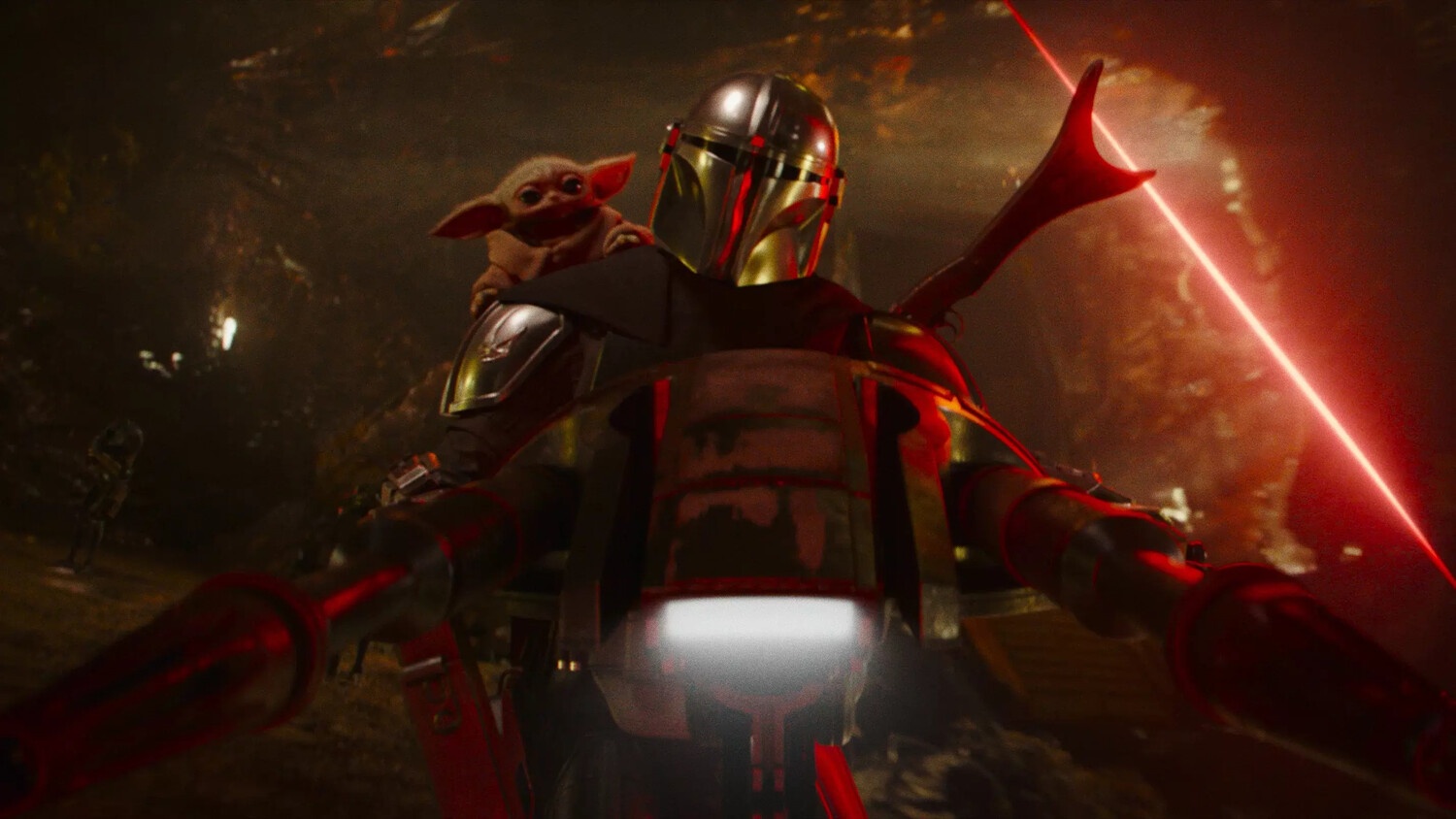
The action focuses instead on blasters and heavy computer-generated effects that often degenerate into cluttered digital visuals. Live-action combat appears slow and cautious, lacking the momentum needed to create memorable sequences.
While streaming television formats allow leniency for production scale, feature films carrying a seven-year theatrical gap face higher expectations. The core conflict stems from marketing the project as a cinematic event while maintaining the structure of a streaming series.
Visual environments and Grogu design
The production design succeeds in exploring diverse locations, including a snow planet, a dense jungle, and a neon city environment reminiscent of Blade Runner rather than Coruscant. The film also deliberately avoids returning to the desert planet of Tatooine.
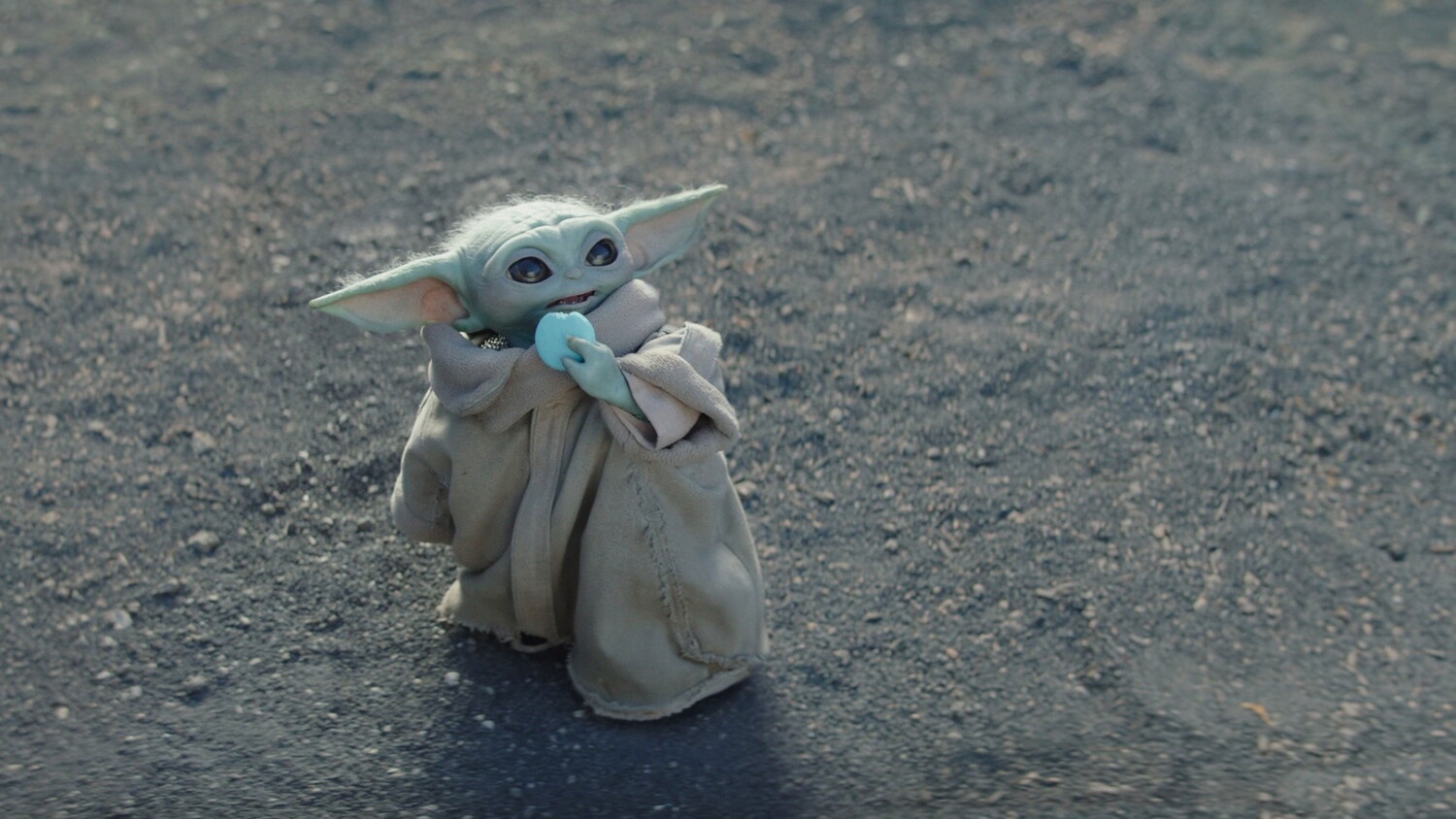
Selected scenes featuring Grogu recapture a fairy-tale tone, recalling the original fantasy roots of the franchise before it focused on galactic bureaucracy.
However, Grogu's visual design presents a noticeable flaw. While his character now leaps, fights, and navigates obstacles independently, he retains the potato-sack attire designed for his season-one infant carrier. The movie missed the opportunity to introduce updated armor or equipment reflecting his physical growth.
Musical score and final verdict
Composer Ludwig Göransson returned to expand his television themes into a cinematic soundtrack. The musical score elevates atmospheric scenes, making character movements across digital environments feel cinematic.
Director Jon Favreau previously launched the Marvel Cinematic Universe with Iron Man in 2008 before establishing the modern Star Wars television era with The Mandalorian in 2019. The original series succeeded by providing self-contained stories without galactic stakes or Skywalker family drama at a time when Disney+ needed a flagship program.
Following series like Obi-Wan Kenobi and The Acolyte, the franchise context has changed. The Mandalorian & Grogu feels less like an essential theatrical film and more like two television episodes edited together with expanded set pieces.
Rossiyskaya Gazeta concluded that despite recognizable beskar armor, ships, and music recalling George Lucas's creation, the movie adds little to the saga. The publication rated the film three out of five stars, describing its disappointing box office outcome as justified.